

Registering a car in California is a vital process ensuring vehicle ownership rights and road safety regulations compliance. However, navigating the requirements can be daunting for new owners, often shrouded in complexity and red tape. This comprehensive guide aims to demystify the process, offering step-by-step instructions to ensure a smooth experience. From gathering essential documents to utilizing reliable tools like the DMV VIN verifier, we’ll equip you with the knowledge to confidently register your vehicle in the Golden State.
- Understanding California Car Registration Requirements
- Gather Necessary Documents for Car Registration
- How to Use DMV's VIN Verifier for Vehicle History
- Completing the California Car Registration Application
- Submit and Pay for Your California Car Registration
Understanding California Car Registration Requirements

Registering a car in California involves understanding several crucial requirements to ensure compliance with state laws. Firstly, the California Department of Motor Vehicles (DMV) mandates that all vehicles operated within the state be properly registered and bear valid license plates. This process includes verifying the vehicle’s identity through a Vehicle Identification Number (VIN) inspection using a reliable tool such as a DMV VIN verifier or mobile VIN verifier.
A key aspect is ensuring the accuracy of the VIN, which serves as a unique identifier for your car. A mobile VIN inspection allows you to verify this information conveniently. This step is essential because California has strict regulations against operating vehicles with altered or falsified VINs. Any discrepancies during the VIN check may lead to registration delays or even legal issues. For instance, if a vehicle’s history indicates previous damage or repair, these details must match the current condition as confirmed by a thorough VIN inspection using a mobile verifier.
Additionally, when registering, you’ll need to present proof of insurance and complete necessary paperwork. It’s advisable to use a DMV-approved service center for accurate and swift registration. Furthermore, California requires regular emissions testing for most vehicles, which is an integral part of the renewal process. By adhering to these requirements and employing tools like a mobile VIN verifier, you can ensure your car’s registration goes smoothly, avoiding potential delays or complications.
Gather Necessary Documents for Car Registration

Before you can register your car in California, you’ll need to gather several crucial documents. This process ensures that all vehicles on the road meet safety and environmental standards. One essential step is verifying the Vehicle Identification Number (VIN), which serves as a unique fingerprint for your vehicle. The California Department of Motor Vehicles (DMV) recommends using a DMV VIN verifier to ensure accuracy, but you can also opt for a mobile VIN verifier or conduct a manual inspection.
A mobile VIN verifier, whether through an app or a professional service, allows you to complete this step conveniently. You simply enter your VIN into the system, and it provides instant information about the vehicle’s history, including any accidents or outstanding issues. Alternatively, a manual VIN inspection involves cross-referencing your VIN with official databases using resources available at local auto parts stores or through online tools. It’s important to note that some services charge fees for this service, while others are free, depending on their source and features offered.
Once you’ve confirmed the VIN’s validity, gather other essential documents such as proof of ownership (a title document), a valid driver’s license, vehicle insurance proof, and registration fees. These documents ensure that all legal requirements are met before your car can be officially registered in California. Always double-check that all information is accurate to avoid delays or issues during the registration process.
How to Use DMV's VIN Verifier for Vehicle History
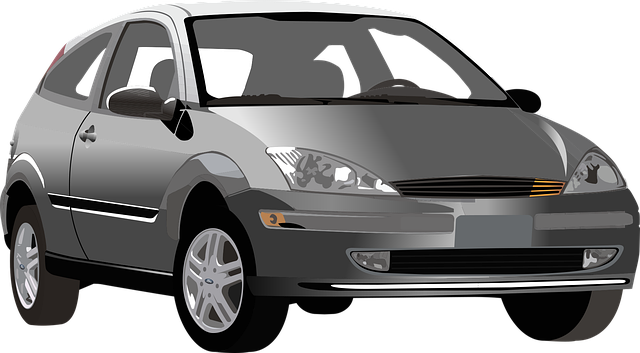
Registering a car in California involves several steps, one of which is verifying the vehicle’s history through its unique identification number (VIN). The California Department of Motor Vehicles (DMV) offers a convenient tool known as the DMV VIN Verifier, designed to help you access detailed information about a vehicle’s past. This process is crucial for ensuring the legitimacy and safety of your purchase.
To utilize this service, you can visit any DMV field office or use their online platform. The key advantage of the DMV VIN Verifier is that it allows for a mobile vin inspection—no more waiting in long lines. By simply entering the VIN into the system, you gain access to a vehicle’s history, including previous owners, accident reports, and maintenance records. For instance, if you’re buying a used car, this tool can reveal any major accidents or outstanding issues, empowering you to make an informed decision. The data provided is comprehensive, encompassing both state and national databases, ensuring a thorough inspection.
An intriguing feature of the DMV’s online VIN Verifier is its real-time verification capabilities. This service enables users to conduct a mobile vin verification, delivering instant results. Imagine being able to check a vehicle’s history on the go—a significant convenience for busy individuals or those making quick purchases. Moreover, this method enhances transparency throughout the car registration process, fostering trust among buyers and sellers. By leveraging technology like mobile vin inspection and verification, California is setting a standard for efficient and secure vehicle registration practices.
Completing the California Car Registration Application

To register a car in California, you’ll need to complete several essential steps, with a key component being the California Car Registration Application. This form is where you’ll provide critical information about your vehicle, including its unique Vehicle Identification Number (VIN). The process begins by ensuring your VIN is accurate and accessible—a step often facilitated through a dmv vin verifier or mobile vin inspection. These tools verify the VIN’s authenticity and help prevent fraud, which is crucial given California’s strict regulations.
When filling out the application, double-check that all details correspond exactly with your car’s documentation. This includes the make, model, year, and any modifications made to the vehicle. Accurate input ensures a seamless registration process. It’s also important to have on hand all required documents, such as proof of ownership, insurance, and identification. If you’ve obtained a mobile vin verifier, ensure the report is current and readily available for inspection by the California Department of Motor Vehicles (DMV) officials.
Some vehicle owners opt for a mobile vin inspection service to streamline the process further. These services provide on-site VIN verification, saving time and effort. With the rise of digital technology, many DMV services, including VIN inspections, have become more accessible and efficient. For instance, the California DMV offers an online registration system that allows users to submit applications electronically, reducing turnaround times compared to traditional methods.
Submit and Pay for Your California Car Registration

After gathering all your necessary documents and ensuring your car meets California’s registration requirements, it’s time to submit and pay for your vehicle’s registration. This crucial step completes the process of registering your car in California and grants you official use of the vehicle on public roads. The California Department of Motor Vehicles (DMV) offers several convenient options for submitting your registration application and processing payment.
One efficient method is to utilize a mobile VIN verifier, which allows you to conduct a remote, online verification of your vehicle’s history using its unique Vehicle Identification Number (VIN). This service streamlines the initial inspection process by providing immediate access to detailed vehicle information, including any reported accidents or outstanding issues. By leveraging technology like mobile VIN inspection tools, you can ensure that all documentation is in order before submitting your registration. This approach saves time and effort while minimizing potential delays.
Alternatively, you can visit a local DMV office and complete the registration process in person. Bring along the required documents, including proof of ownership, identification, and any necessary fees. Staff at the DMV will guide you through the process, ensuring that your vehicle passes all necessary inspections. It’s advisable to check ahead for any potential wait times or additional requirements, as peak hours can lead to longer processing delays. Regularly scheduling your registration (e.g., renewing every year or two) and utilizing convenient digital tools, such as mobile VIN verifiers, can help ensure a smooth and efficient experience throughout the registration process.
Registering a car in California involves understanding specific requirements, gathering essential documents, utilizing the DMV’s VIN Verifier for vehicle history checks, completing applications accurately, and making timely payments. The key takeaway is that proper preparation and leveraging tools like the DMV’s VIN Verifier streamline the process. By ensuring all necessary paperwork is in order and following the outlined steps, individuals can efficiently navigate California car registration, reinforcing the article’s authority as a comprehensive guide to this essential procedure.