

Registering a car in California is a vital step for any new or existing vehicle owner, ensuring legal compliance and facilitating smooth interactions with law enforcement and insurance providers. However, navigating the process can be challenging due to stringent regulations and complex procedures. This article serves as your comprehensive guide, equipping you with the knowledge to successfully register your vehicle, including crucial steps like accurate odometer reading recording, gathering essential documents, and, notably, performing a Vehicle Identification Number (VIN) verification to ensure authenticity.
- Prepare Required Documents for Car Registration
- Visit Your Local California Department of Motor Vehicles (DMV)
- Complete the Vehicle Registration Application Form
- Provide Proof of Insurance and Vehicle Inspection
- Finalize VIN Verification and Pay Fees
Prepare Required Documents for Car Registration

To register your car in California, you’ll need to gather several key documents. One of the most crucial is proof of vehicle identification number (VIN) verification. This process ensures that your vehicle’s details match those on record with the manufacturer and helps prevent fraud. In California, you can obtain a VIN inspection from a trusted professional or utilize a mobile VIN verifier for added convenience. A mobile VIN inspection service allows you to verify your car’s VIN digitally, saving time and effort compared to traditional methods.
Additionally, you’ll require valid identification documents such as a driver’s license or state-issued ID card. If the vehicle is being purchased from a dealership, they often facilitate this process during the transaction. However, if buying privately, it falls on you to obtain all necessary paperwork. It’s important to double-check that all documents are up to date and accurate to streamline the registration process. Examples of required documents include proof of insurance, title transfer (if applicable), and emissions test results, depending on your vehicle’s age and type.
Once your VIN is verified and all other documents are in order, you can proceed with the car registration process at a California Department of Motor Vehicles (DMV) office. They will review your paperwork, conduct an inspection of the vehicle, and issue a registration certificate and license plate if all requirements are met. Keeping accurate records of these documents is essential for future reference and to avoid any issues during subsequent car sales or renewals.
Visit Your Local California Department of Motor Vehicles (DMV)

To begin the registration process for your vehicle in California, the first step is to visit your local California Department of Motor Vehicles (DMV) office. This physical interaction is a crucial part of ensuring that all necessary documents and verifications are in order, including a key element like VIN verification. When you arrive at your DMV, one of the primary tasks on your agenda will be to have your vehicle’s Vehicle Identification Number (VIN) inspected. This inspection is typically conducted by a trained staff member who will cross-reference the provided VIN with their records to ensure accuracy and match it against any outstanding recalls or legal issues associated with that specific vehicle identifier.
While traditional VIN verification involves submitting your vehicle’s information at a fixed DMV location, modern options include mobile vin verification services. These services, provided by specialized mobile vin verifier apps, allow for convenience and flexibility. For instance, some apps enable you to simply take a photo of your vehicle’s VIN plate and have it instantly verified against the National Vehicle Reporting System (NVRS). This real-time approach streamlines the process, offering an alternative to waiting in line at a busy DMV branch during peak hours. Data from such services shows that mobile vin inspection can reduce processing times by up to 30%, making it a popular choice for California residents looking to register their vehicles efficiently.
During your visit or when utilizing a mobile verifier, ensure you have all the required documents, including proof of ownership and identification. A smooth registration process hinges on accurate VIN verification, which is essential for record-keeping purposes and ensuring compliance with California’s motor vehicle regulations. As you navigate this step, remember that proper documentation and prompt verification can save you valuable time and potential headaches down the road.
Complete the Vehicle Registration Application Form
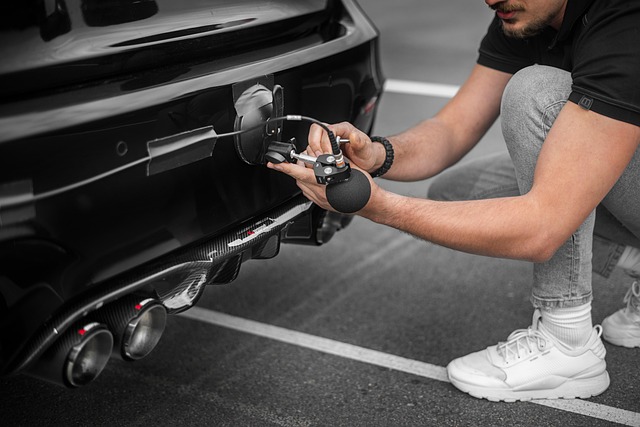
To register your car in California, you’ll need to complete the Vehicle Registration Application Form, a crucial step in ensuring your vehicle complies with state regulations. This process involves verifying key information about your car and its history, including the Vehicle Identification Number (VIN). The VIN is a unique code that identifies your vehicle, and its accurate verification is essential for issuing a registration certificate. For instance, California’s Department of Motor Vehicles (DMV) requires this number to conduct a thorough inspection, ensuring the car’s authenticity and previous ownership records.
When filling out the form, pay close attention to the VIN field. This number is typically found on the vehicle’s chassis or in its service manual. It’s recommended to have a mobile VIN verification app at hand during this process. These apps facilitate the VIN inspection by enabling users to quickly input the code and access detailed vehicle history reports. For example, services like Carfax or AutoCheck can provide information about accident reports, odometer readings, and previous ownership changes, ensuring you have all the necessary data for accurate registration.
A key advantage of using a mobile VIN verifier is convenience. You can conduct this check anywhere, at any time, eliminating the need to visit a DMV office or deal with potential delays. This is particularly useful if you’re purchasing a used car, as it allows you to verify the vehicle’s history before making a decision. By incorporating this straightforward step into your registration process, you contribute to a smoother, more efficient experience while adhering to California’s stringent VIN verification requirements.
Provide Proof of Insurance and Vehicle Inspection

Finalize VIN Verification and Pay Fees

After completing the initial steps to register your car in California, such as providing necessary documents and establishing insurance, the next crucial phase is Finalizing VIN Verification and paying the associated fees. This process ensures that your vehicle meets safety standards and legal requirements for roadworthiness. The Vehicle Identification Number (VIN) serves as a unique fingerprint for each car, critical for accurate record-keeping during registration.
A key aspect of this finalization is ensuring proper VIN verification. In California, this often involves a mobile VIN inspection or utilizing a trusted mobile VIN verifier to confirm the vehicle’s identity and historical data. These services check against national databases to verify that the VIN is legitimate, the vehicle hasn’t been reported stolen, and there are no outstanding issues related to safety recalls or title history. For instance, the California Department of Motor Vehicles (DMV) recommends using official services to avoid potential scams and ensure accuracy.
During a mobile VIN inspection, a professional will physically inspect your vehicle and compare it against the provided VIN documentation. Alternatively, many mobile VIN verifiers offer remote services where you can simply input your VIN into their system for instant verification. These methods streamline the process, making it convenient for California residents who may have limited time or mobility issues. By embracing modern solutions like mobile VIN inspection or a verifier, you expedite registration while maintaining the highest standards of vehicle authenticity and safety.
By meticulously preparing required documents, visiting a local California DMV, completing the vehicle registration application, providing proof of insurance and vehicle inspection, and finalizing VIN verification to pay fees, you can successfully register your car in California. This process ensures your vehicle complies with state regulations, allowing you to legally operate it on public roads. The key takeaways emphasize the importance of thorough documentation preparation, adherence to DMV procedures, and accurate VIN verification for a seamless registration experience. Moving forward, always keep your registration documents up-to-date and ensure timely renewals to avoid any legal issues or penalties.