

Registering a car in California is a vital step for any new owner, ensuring legal compliance and protecting your investment. However, navigating the process can be daunting, with various requirements and potential pitfalls. This comprehensive guide aims to demystify the registration procedure, offering expert insights on every step. From gathering essential documents to understanding fee structures, we’ll walk you through each phase. Moreover, we’ll emphasize the critical role of Vehicle Identification Number (VIN) verification in ensuring the vehicle’s authenticity. By the end, you’ll be equipped with the knowledge to register your car seamlessly and confidently.
- Prepare Required Documents for Car Registration
- Understand California Vehicle Registration Process
- Obtain a Vehicle Identification Number (VIN) Verification
- Visit a DMV or Use Online Services for Registration
- Complete Payment and Receive Your Registration Certificate
Prepare Required Documents for Car Registration

Registering a car in California involves a meticulous process, and one of the critical initial steps is preparing the necessary documents for a seamless experience. Among these, the Vehicle Identification Number (VIN) verification stands out as an essential aspect that ensures both vehicle authenticity and compliance with state regulations. VIN inspection plays a pivotal role in this procedure, acting as a unique fingerprint that identifies your car’s history and specifications.
To initiate the registration process, you’ll need to obtain a valid and accurate VIN from your vehicle. This number is typically located on the vehicle’s certificate of title or the engine block. It’s crucial to ensure its integrity before proceeding. For instance, using a mobile VIN verifier can be highly beneficial during this stage. These portable tools allow for convenient and quick VIN inspections, providing real-time data access to help verify the vehicle’s history and identify any potential issues or discrepancies. Accurate VIN verification is paramount; it not only facilitates registration but also aids in preventing fraud and ensuring consumer safety.
Once you’ve confirmed your VIN, gather relevant documents such as proof of ownership (title or bill of sale), current insurance card, and a valid driver’s license. These will be required to complete the registration process at a California Department of Motor Vehicles (DMV) office. By proactively preparing these documents, including the mobile VIN verification results, you’ll streamline the registration experience, avoiding potential delays or complications that might arise from incomplete paperwork.
Understand California Vehicle Registration Process
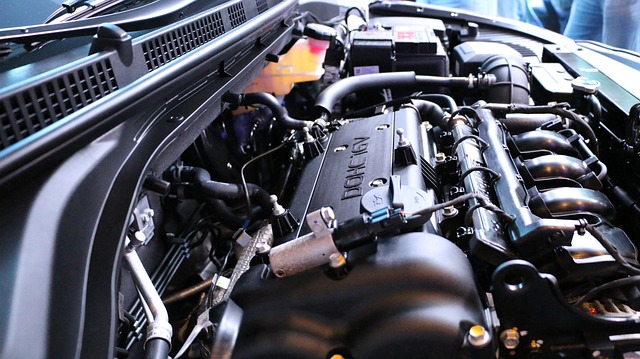
Registering a car in California involves several crucial steps, ensuring your vehicle complies with state regulations. The process begins with gathering essential documents, including proof of ownership, identification, and payment for fees. Once prepared, the next step is to visit a California Department of Motor Vehicles (DMV) office or utilize their online services for registration. During this phase, they’ll verify your vehicle’s information, conduct an inspection, and process your application.
A key aspect of this verification process is Vehicle Identification Number (VIN) inspection. This involves providing proof of your car’s VIN through official channels, often facilitated by mobile VIN verification tools. These services enable drivers to securely share their VIN data for remote inspection, ensuring accuracy without the need for an in-person visit. It’s advisable to opt for a reputable mobile VIN verifier to streamline this step, especially given the state’s emphasis on efficient, secure transactions.
For example, California law requires that vehicles over 15 years old undergo a safety and emissions inspection upon registration or renewal. This inspection checks key components like brakes, lights, and pollution control systems, ensuring they meet modern standards. Efficient VIN verification, often conducted remotely via mobile apps, can significantly expedite this process, especially in areas with high traffic at DMV offices. By leveraging technology for VIN inspection, California drivers not only save time but also contribute to a smoother, more accessible registration experience.
Obtain a Vehicle Identification Number (VIN) Verification

Obtaining a Vehicle Identification Number (VIN) verification is a crucial step in registering your car in California. This process ensures that the vehicle you’re submitting for registration matches the records on file, which is vital to prevent fraud and ensure compliance with state regulations. A VIN inspection verifies key details such as the make, model, year, and manufacturing location of the vehicle, all of which are essential for accurate record-keeping.
In California, you can facilitate this process through a mobile VIN inspection service. These services provide a convenient way to confirm your vehicle’s authenticity without having to visit a dealership or registration center. A mobile VIN verifier can cross-reference the data from your car with national databases, offering immediate results that will streamline your registration journey. For instance, many such services are equipped to check for outstanding recalls, previous accidents, and reported thefts, enabling you to address any issues before submitting your application.
To maximize efficiency, consider using a specialized mobile VIN inspection service. These professionals not only ensure the accuracy of your car’s information but also offer guidance on any necessary repairs or documentation. For example, they can assist with resolving discrepancies found during the VIN verification process, ensuring that your registration application is complete and approved without delay. By embracing these modern solutions, you can navigate California’s vehicle registration requirements with confidence and peace of mind.
Visit a DMV or Use Online Services for Registration

Registering a car in California involves several steps, with two primary options for completion: visiting a DMV office or utilizing online services. The former offers a traditional, direct approach while the latter leverages modern technology to streamline the process. Regardless of method chosen, ensuring accurate and up-to-date information is paramount. One critical component of this process is Vehicle Identification Number (VIN) verification, which establishes the vehicle’s identity and history.
For those considering a hands-on approach, visiting a DMV office remains a valid option. Staffed by knowledgeable professionals, these locations facilitate both in-person VIN inspections and registration renewals. In some cases, individuals may opt for a mobile VIN inspection or verification service to save time and effort. This alternative involves a specialist conducting the necessary checks remotely, using advanced technology to cross-reference the VIN with comprehensive databases.
Online services represent a significant advancement in car registration processes. The California DMV offers digital platforms that allow users to submit applications, update information, and complete registrations from the comfort of their homes. These platforms often incorporate automated VIN verification processes, ensuring accuracy and efficiency. For instance, some online services use mobile apps to capture the VIN directly from the vehicle’s label, eliminating manual entry and reducing potential errors. Utilizing these modern tools can save both time and money while maintaining the integrity of the registration process.
Complete Payment and Receive Your Registration Certificate

To complete the registration process in California, you’ll need to make the final payment and receive your Registration Certificate. This involves a critical step: verifying the Vehicle Identification Number (VIN). Always ensure your VIN is accurate and legitimate through a trusted mobile VIN verifier or inspection service. In California, all vehicles must undergo a thorough VIN inspection to prevent fraud and ensure safety.
You can pay for registration online, over the phone, or in person at a designated California Department of Motor Vehicles (DMV) office. Acceptable forms of payment include credit card, debit card, cash, or check. Be prepared with essential documents like proof of insurance and your driver’s license. After processing your payment, the DMV will conduct a final VIN verification to match the vehicle’s details against their records.
Upon successful completion of this step, you’ll be issued your Registration Certificate, also known as a registration card or tag. This document is vital as it serves as proof of ownership and authorization to operate your vehicle legally on California roads. Keep this certificate handy, as you may need to present it during future interactions with law enforcement or the DMV. Mobile VIN inspection services can play a pivotal role in this process by ensuring the accuracy of your vehicle’s information before finalizing registration.
Registering a car in California involves several steps, from gathering essential documents to completing the necessary VIN verification. By understanding the state’s vehicle registration process and following these key procedures—including preparation of required documents, obtaining VIN verification, visiting or utilizing online services through the DMV, and making payments—individuals can ensure their car’s legal registration. This streamlined guide offers practical next steps for readers seeking to navigate California’s car registration requirements efficiently and accurately.