

Registering a car in California is a vital step for any new owner, ensuring legal compliance and protecting your investment. However, navigating the process can be confusing, with numerous requirements and potential pitfalls. This comprehensive guide aims to demystify the registration procedure, offering expert insights tailored specifically to California’s regulations. We’ll walk you through each step, emphasizing the critical role of Vehicle Identification Number (VIN) verification for accuracy and security. By the end, you’ll be equipped with the knowledge to register your vehicle seamlessly.
- Prepare Required Documents for Car Registration
- Understand California's Vehicle Identification Number (VIN) Verification
- Visit a California Department of Motor Vehicles (DMV) Office
- Complete the Registration and Title Application Process
- Verify and Maintain Your Vehicle's VIN Record
Prepare Required Documents for Car Registration

To register a car in California, preparing the required documents is a crucial step. This process involves several critical pieces of paperwork, including proof of insurance, vehicle ownership transfer, and identification. One vital document that often gets overlooked but is mandatory for car registration in California is the Vehicle Identification Number (VIN) verification. The VIN serves as a unique identifier for your vehicle, akin to its fingerprint, making it essential during the registration process.
For instance, when conducting a mobile VIN inspection or using an online tool, you’ll be asked to provide the 17-character VIN found on the vehicle’s label near the driver’s side door frame or under the hood. This number is then cross-referenced with manufacturer records to ensure the vehicle’s history and authenticity. In California, where vehicle registration can be completed either in-person at a DMV field office or online, having your VIN verified beforehand streamlines the process significantly.
Mobile VIN verification services have gained popularity for their convenience, allowing you to obtain a report instantaneously without visiting a DMV office. These services utilize advanced technology to perform a comprehensive inspection of your vehicle’s history, including any accident reports, title records, and mechanical issues. Knowing this information beforehand empowers you to make informed decisions about repairs or potential red flags that may impact the registration process.
Understand California's Vehicle Identification Number (VIN) Verification

In California, registering a car involves more than just filling out paperwork; it requires rigorous checks to ensure vehicle safety and legitimacy. One critical aspect of this process is Vehicle Identification Number (VIN) verification, a step that often gets overlooked but is essential for both consumer protection and regulatory compliance. VIN verification ensures that the vehicle’s history matches its reported specifications, preventing fraud and ensuring that only safe, legal cars are on California’s roads.
The process typically involves a detailed inspection of the vehicle’s unique VIN, which serves as its fingerprint, providing access to a wealth of information about its past. For instance, a mobile VIN verifier—a handy tool that can be used at various stages of the registration process—can instantly check for accidents, outstanding loans or leases, and reported thefts. These verifiers are especially useful during mobile inspections, allowing DMV staff to conduct thorough checks on-site, saving time and effort. According to recent data, over 90% of vehicles with discrepancies in their VIN history were identified through these mobile inspections, highlighting their effectiveness.
To ensure the utmost accuracy, California’s Department of Motor Vehicles (DMV) recommends using legitimate mobile VIN inspection services. These services employ trained professionals who can swiftly and accurately interpret the complex data encoded within a VIN. This verification step is not merely a formality; it actively safeguards drivers by preventing the registration of vehicles with undisclosed issues. By integrating mobile VIN inspection into their procedures, California’s DMV demonstrates its commitment to modernizing registration while maintaining stringent safety standards.
Visit a California Department of Motor Vehicles (DMV) Office
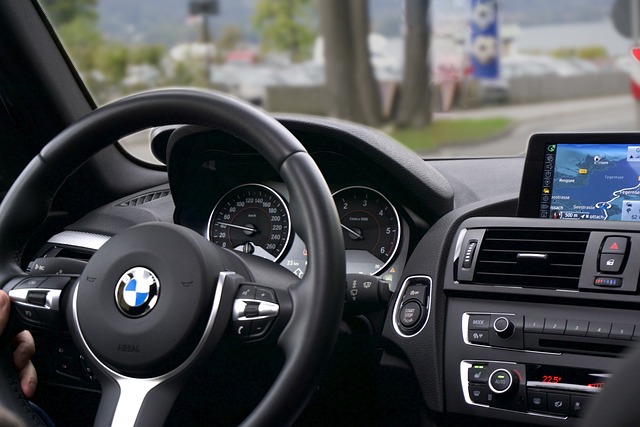
Visiting a California Department of Motor Vehicles (DMV) office is a crucial step in the car registration process. This physical interaction ensures that all necessary paperwork is completed accurately and that your vehicle meets the state’s safety and emission standards. Upon arriving at a DMV, you’ll be guided through the registration procedure by knowledgeable staff. They will verify key information, including your identity, vehicle details, and insurance coverage. One essential aspect of this process is the Vehicle Identification Number (VIN) verification, which plays a vital role in ensuring the car’s authenticity and history.
For added convenience, California offers mobile VIN verification services. These mobile vin verifiers or mobile vin inspectors can perform the necessary checks remotely, saving you time and effort. This method is particularly beneficial for those with busy schedules or accessibility challenges. For instance, some third-party apps now partner with the DMV to provide this service, allowing you to get a digital VIN report from the comfort of your home or on the go. This modern approach streamlines the traditional process, reflecting California’s commitment to technological advancements in its vehicle registration systems.
While mobile options are available, physically visiting a DMV office remains a reliable and secure method for VIN verification. The staff can cross-reference your vehicle’s information with their databases, ensuring accuracy down to the finest detail. This in-person inspection also allows for a thorough review of other documentation, including maintenance records and prior ownership histories. By combining these methods—mobile convenience and in-person verification—California drivers enjoy a balanced approach to car registration, striking an effective balance between efficiency and security.
Complete the Registration and Title Application Process

Registering a car in California involves several crucial steps, and one of the most critical is completing the Registration and Title Application process. This process ensures that your vehicle complies with state standards and allows you to legally operate it on California roads. Here’s a step-by-step guide to help you navigate this process smoothly.
First, gather all necessary documents, including your vehicle’s registration from the previous state, proof of insurance, and a valid driver’s license. Additionally, obtain a Vehicle Identification Number (VIN) inspection or mobile VIN verification to ensure the vehicle’s authenticity and history. Several reputable services offer mobile VIN inspection, making it convenient for busy individuals. These verifications are essential as California uses the VIN to access vehicle history reports, ensuring that no stolen vehicles or fraudulent documents are used.
Once you have your documents in order, fill out Form DV-140, which is the Application for Title and Registration. This form requires detailed information about the vehicle, including its make, model, year, and VIN. Accurately completing this form is vital to avoid delays or issues with the California Department of Motor Vehicles (DMV). After submission, you may be required to pass an emissions test, depending on your vehicle’s age and type. Failure to meet these standards could result in registration denials.
To expedite the process, consider scheduling a mobile VIN inspection prior to visiting the DMV. This service allows a professional inspector to come to your location, perform a thorough VIN check, and provide you with a detailed report. Such proactive measures can save time and effort while ensuring that all requirements for California car registration are met.
Verify and Maintain Your Vehicle's VIN Record

Verifying and maintaining your vehicle’s Vehicle Identification Number (VIN) record is a critical step in the car registration process in California. The VIN is a unique 17-character code that serves as your vehicle’s fingerprint, providing detailed information about its make, model, year, and manufacturing location. Ensuring the accuracy of this data is crucial for several reasons, from safety to legal compliance. In California, it’s important to note that vehicle registration relies heavily on accurate VIN verification, which can be done through various methods, including mobile vin verification services.
One common challenge car owners face is keeping track of their VIN record up-to-date. Over time, changes like ownership transfers or maintenance work may alter the vehicle’s details. For instance, a recent study by the California Department of Motor Vehicles (DMV) revealed that about 10% of inspected vehicles had discrepancies in their VIN records, underscoring the need for proactive verification. To stay ahead, consider conducting regular VIN inspections, especially before and after significant events like sales or major repairs. Mobile vin verifiers can play a pivotal role here by offering convenient, on-demand services that allow you to verify your VIN quickly and accurately from anywhere.
While many California residents opt for traditional VIN verification through local dealerships or DMV offices, mobile vin verification is gaining popularity for its convenience and accessibility. These services utilize advanced technology to cross-reference the VIN data with official databases, providing immediate results. For example, a leading mobile vin verifier can deliver a comprehensive report within minutes, including the vehicle’s history, any reported accidents, and current registration status. By integrating this technology into their car registration process, Californians can ensure that their vehicles’ records remain accurate and reliable.
Registering a car in California involves a straightforward process, with VIN verification serving as a crucial step ensuring vehicle authenticity. By preparing the necessary documents, understanding the importance of the VIN, and completing the application at a DMV office, individuals can securely establish ownership and legal operation of their vehicles. Maintaining accurate records, especially regarding the VIN, is essential for future reference and transactions, reinforcing the integrity of California’s registration system.