

Registering a car in California is a critical process ensuring legal compliance and ownership protection. However, navigating the requirements can be cumbersome for new or out-of-state owners. Understanding the proper procedures is essential to avoid delays and potential penalties. This article serves as your comprehensive guide, detailing step-by-step how to register your vehicle with the California Department of Motor Vehicles (DMV), including the crucial DMV VIN verification process. By following these instructions, you’ll ensure a seamless transition into California’s automotive regulatory framework.
- Prepare Necessary Documents for Car Registration
- Understand Eligibility Requirements for California Car Registration
- Gather Vehicle Identification Number (VIN) Verification from DMV
- Complete the Online or In-Person Registration Process
- Verify and Ensure Accurate Documentation After Registration
Prepare Necessary Documents for Car Registration

Registering a car in California involves several crucial steps, and one of the most critical is preparing the necessary documents for car registration. This process requires you to gather specific information that will be verified by the California Department of Motor Vehicles (DMV). Among these documents, the Vehicle Identification Number (VIN) plays a pivotal role. The VIN is a unique code that identifies your vehicle, and its accurate verification is essential for a seamless registration process.
To ensure accuracy during the DMV vin verification process, it’s important to have all relevant paperwork in order. This includes the title, registration certificate, proof of insurance, and perhaps most importantly, the VIN inspection report from a trusted source. You can conduct this inspection yourself using a mobile VIN verifier—an app or service that provides instant, accurate data on your vehicle’s history—to ensure you have the correct information before visiting the DMV. Alternatively, many California car dealerships offer free VIN inspections for customers considering purchasing a used vehicle.
Once you’ve confirmed your VIN through a mobile vin verification tool and gathered all required documents, you’re ready to proceed with registration. Keep in mind that the process can vary slightly depending on whether you’re registering a new or used car. Regardless, having accurate data at hand—including the correct VIN—will streamline the registration process and help avoid any potential delays or complications. Always double-check your information before submitting your application to ensure a smooth and successful car registration in California.
Understand Eligibility Requirements for California Car Registration

Before registering your car in California, it’s crucial to understand the eligibility requirements set by the Department of Motor Vehicles (DMV). These criteria ensure that all vehicles on California roads meet safety and environmental standards. One critical aspect is verifying the vehicle identification number (VIN) through a process known as DMV VIN verification. This step is essential to confirm the car’s authenticity, history, and compliance with regulations.
For instance, the DMV requires a valid title, proof of insurance, and successful completion of a safety inspection for registration. The VIN inspection plays a pivotal role in this process, especially when registering a vehicle that was either imported or previously owned outside California. A mobile VIN verifier can be an efficient solution for this step, allowing you to conduct the verification at your convenience, whether at home or on the go. By utilizing these modern tools, such as a mobile VIN verification app, the process becomes more accessible and transparent.
It’s important to note that the DMV has established guidelines for what constitutes acceptable documentation and inspection results. For example, if the vehicle history reveals any significant accidents or outstanding mechanical issues, the registration request may be denied until these concerns are addressed. Staying informed about these requirements ensures a smoother registration process and helps prevent potential delays or complications. Therefore, always ensure that your car meets all criteria before initiating the California car registration procedure.
Gather Vehicle Identification Number (VIN) Verification from DMV
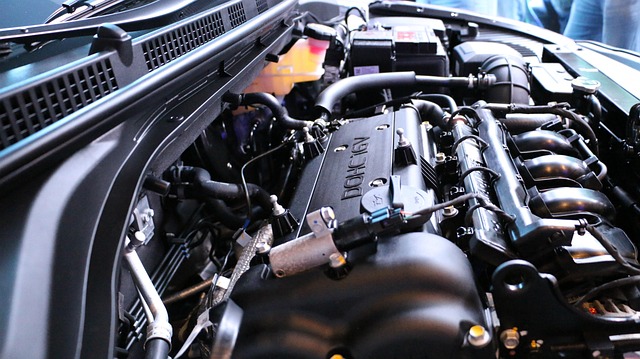
Registering a car in California involves several crucial steps, one of which is obtaining accurate Vehicle Identification Number (VIN) verification from the Department of Motor Vehicles (DMV). This process ensures that your vehicle’s details match those on record, safeguarding against fraud and ensuring compliance with state regulations. The DMV offers various methods for VIN verification, including traditional inspections at designated offices and innovative solutions like mobile VIN verifiers.
A mobile VIN verifier, also known as a mobile VIN scanner, allows you to complete the verification process remotely. This technology utilizes advanced scanning equipment to cross-reference your vehicle’s VIN with state databases, providing instant results. For instance, some companies offer on-demand services where a trained professional can visit your location—be it your home or workplace—to perform the inspection using a handheld device capable of delivering precise, real-time data. This method not only saves time but also proves invaluable for individuals with busy schedules or those who prefer a more convenient approach to administrative tasks.
When utilizing mobile VIN verification services, ensure you select reputable providers. Check their credentials, customer reviews, and the accuracy of their data systems. Some companies might offer additional perks like vehicle history reports, which can provide valuable insights into your car’s past, including accident histories, ownership changes, and maintenance records. This comprehensive view enables better-informed decisions during registration or when selling a vehicle.
Complete the Online or In-Person Registration Process

To register your car in California, you have two primary options for completion: online or in-person. Both methods involve several crucial steps, including verifying the vehicle’s Identification Number (VIN) to ensure its authenticity and history. For those opting for an online process, the California Department of Motor Vehicles (DMV) offers a streamlined approach. You’ll need to gather essential documents like proof of identity, residency, and insurance, then input your vehicle’s information, including its VIN, into the official DMV portal. This digital platform performs a VIN inspection to access the vehicle’s history from various data sources, confirming it has not been reported stolen or had previous accidents.
If you prefer an in-person registration, visiting a local DMV field office is mandatory. Bring along your required documents, and a DMV representative will guide you through the process. Similar to the online method, they’ll require your vehicle’s VIN for a thorough VIN inspection. Some offices may even offer on-site mobile VIN verifiers to ensure accuracy and speed up the registration. This hands-on approach allows for immediate feedback and resolution of any discrepancies, although wait times can be longer.
Regardless of the chosen method, ensuring accurate VIN input is paramount. A small error in your vehicle’s identification number could delay or even prevent registration. Therefore, double-check all information before submitting, whether online or at a physical location. Properly completing these steps will not only facilitate a smooth registration process but also help maintain California’s robust vehicle record system.
Verify and Ensure Accurate Documentation After Registration

After successfully registering your vehicle with the California Department of Motor Vehicles (DMV), a crucial step remains: verifying and ensuring accurate documentation. This process involves cross-checking critical details to prevent errors and ensure your car’s registration stands firm against scrutiny. One paramount aspect is the Vehicle Identification Number (VIN) verification, commonly known as DMV VIN verification. This process ensures that the vehicle’s unique identifier matches the information on record with the DMV.
A practical approach to this verification involves utilizing mobile VIN inspection services that bring the DMV’s capabilities right to your location. These services offer a convenient and efficient way to check the accuracy of your car’s details, including its VIN. For instance, mobile VIN verification can help identify discrepancies between the reported vehicle year, make, model, and actual specifications, which might have occurred due to human error or record-keeping issues. Data from DMVs shows that correct and consistent documentation significantly reduces registration-related issues in the long run.
Additionally, considering a mobile vin inspection as part of your post-registration routine can help you stay ahead of potential problems. This proactive approach allows you to address any issues promptly, ensuring your vehicle remains registered without interruptions. By availing yourself of these modern verification methods—such as mobile VIN inspection and verification services—you not only safeguard against administrative hurdles but also maintain the integrity of your car’s registration documentation.
Registering a car in California involves a straightforward process that requires careful preparation and attention to detail. Key takeaways include ensuring all necessary documents are ready, understanding eligibility criteria, obtaining DMV VIN verification, and completing the registration through online or in-person methods. Accurate documentation is paramount, so verify all information post-registration to avoid future issues. By diligently following these steps and prioritizing accurate dmv vin verification, residents can efficiently navigate California’s car registration process, ensuring their vehicles are legally registered and ready for the road.