

Registering a car in California is a vital step for any new owner, ensuring legal compliance and seamless operation on the state’s roads. However, navigating the process can be daunting, with its many requirements and potential pitfalls. This comprehensive guide aims to demystify the car registration procedure, equipping you with the knowledge to efficiently complete it. We’ll detail each step, emphasizing the crucial role of DMV VIN verification in ensuring accuracy and authenticity. By the end, you’ll be equipped to register your vehicle with confidence and ease.
- Prepare Necessary Documents for Car Registration
- Gather Vehicle Identification Number (VIN) Information
- Visit California DMV to Initiate Registration Process
- Complete Required Forms: Title Transfer and Registration
- Verify VIN with DMV for Accurate Vehicle Record Keeping
Prepare Necessary Documents for Car Registration

Registering a car in California involves several steps, but preparing the right documents is key to a smooth process. The first step in this preparation is ensuring you have all necessary paperwork, including the vehicle’s title, which proves ownership. This document is crucial for the DMV (Department of Motor Vehicles) vin verification process, as they’ll cross-reference the provided information with their records. Additionally, you’ll need your driver’s license and proof of insurance—essential for identifying you and ensuring your vehicle is properly covered.
Another vital document is the Vehicle Identification Number (VIN) inspection report. This can be obtained through a mobile vin inspection service, which provides an accurate, official verification of the VIN. Such services offer convenience by allowing you to get the necessary paperwork done without visiting a DMV office. For instance, many mobile vin inspection companies use advanced technology and trained professionals to conduct thorough VIN inspections, ensuring your car’s history is accurately documented. It’s advisable to choose reputable providers that offer reliable, certified reports for a hassle-free registration experience.
Before heading to the DMV, gather all these documents and ensure they are up-to-date and accurate. This preparation will help prevent delays or complications during the registration process. Remember, an error in any of these documents could lead to registration denials, so it’s crucial to double-check everything. With the right paperwork in hand, you’ll be well on your way to successfully registering your vehicle in California.
Gather Vehicle Identification Number (VIN) Information

Before you begin the registration process for your vehicle in California, it’s crucial to ensure that all required information is accurate and readily available. One of the essential steps in this journey is gathering the Vehicle Identification Number (VIN) data. The VIN is a unique code that serves as the fingerprint of your vehicle, containing vital details about its manufacturing, specifications, and history. When registering with the California Department of Motor Vehicles (DMV), accurate VIN verification plays a critical role in ensuring a smooth process and preventing potential issues down the line.
Obtaining the VIN can be as simple as checking your vehicle’s dashboard or door post, where it’s typically engraved or stamped. However, for those who want a more efficient approach, especially when dealing with older vehicles or import cars, mobile VIN inspection services come into play. These services, often provided by specialized companies, offer convenient and precise methods to gather this critical data. Mobile VIN verifiers can perform a thorough check, ensuring the number is valid and matchable against DMV records for accuracy. This modern solution saves time and effort, especially for individuals who may not have access to the necessary tools or resources.
By utilizing these advanced verification methods, such as mobile VIN inspection, you’re taking a proactive step in the registration process. It allows for a seamless transition from gathering documentation to submitting your application at the DMV. Furthermore, having accurate VIN information empowers you to make informed decisions about potential vehicle history reports and ensures that any issues or discrepancies are addressed promptly. This attention to detail is not just beneficial but essential when navigating California’s registration requirements.
Visit California DMV to Initiate Registration Process
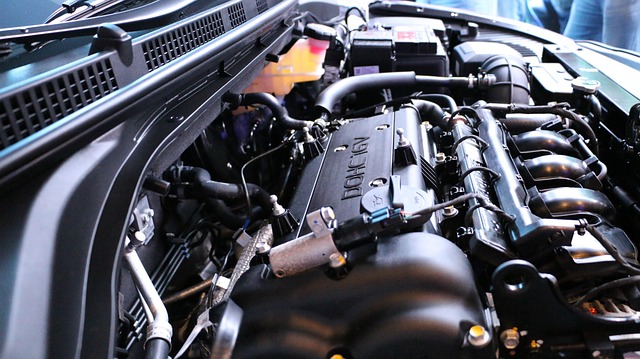
To begin the car registration process in California, the first step is to visit a local Department of Motor Vehicles (DMV) office. This physical interaction is crucial for initiating the registration, ensuring your vehicle complies with state regulations, and obtaining necessary documents. Upon arrival, you’ll be guided through the process by DMV personnel who are adept at handling these procedures.
At the DMV, one of the key milestones is the Vehicle Identification Number (VIN) verification. This step involves a thorough inspection of your car’s VIN, which is a unique code that identifies its make, model, and year. In California, this process is streamlined through advanced technology like mobile VIN inspection tools. For instance, many mobile vin verifiers provide on-site scanning services, enabling DMV staff to cross-reference the provided VIN with state records in real time. This digital approach enhances accuracy and expedites the registration process.
It’s beneficial to be prepared for this step by bringing essential documents like your driver’s license, proof of insurance, and vehicle title. Additionally, considering the use of a mobile vin verifier can offer several advantages. These portable devices not only facilitate faster verifications but also provide peace of mind, ensuring that your vehicle’s history is accurately represented before registration. By leveraging modern tools like these, you can efficiently navigate the car registration process in California, turning what could be a bureaucratic task into a relatively smooth experience.
Complete Required Forms: Title Transfer and Registration

To register a car in California, you’ll need to complete several essential steps, with a key component being the Title Transfer and Registration process. This involves filling out specific forms that ensure your vehicle’s ownership is legally transferred and properly documented. The first step is acquiring the necessary documents, which typically include the current title, a valid registration, and proof of insurance. It’s crucial to verify the Vehicle Identification Number (VIN) during this phase. The California Department of Motor Vehicles (DMV) requires a VIN verification, which can be efficiently handled through a mobile vin inspection or a mobile vin verifier. These services allow you to quickly confirm the vehicle’s identity by checking its unique 17-character code against DMV records.
Once you have confirmed the VIN and gathered all required documents, it’s time to complete Form SM-255 (Application for Title and Registration). This form is where you’ll provide detailed information about the vehicle, including its make, model, year, and current mileage. Additionally, you’ll need to include the seller’s and buyer’s personal information, ensuring accuracy in both data entry and signature. After completing this form, submit it along with all supporting documents to a California DMV field office or, in some cases, through an online portal, depending on your location and preference.
The next step involves paying the necessary fees for registration and title transfer. These costs can vary based on factors such as the age of the vehicle and whether you’re transferring ownership within or outside California. It’s advisable to check the current fee schedule on the official DMV website or inquire at a local office. Upon payment, your vehicle will be officially registered, and a new title reflecting the change in ownership will be issued. This entire process ensures that your car is legally registered and that any future transactions are streamlined, thanks to proper documentation and a verified VIN through mobile vin inspection services.
Verify VIN with DMV for Accurate Vehicle Record Keeping

Verifying a vehicle’s Vehicle Identification Number (VIN) through the DMV is an essential step in ensuring accurate record-keeping during car registration in California. This process allows for a comprehensive examination of a vehicle’s history, including its ownership, maintenance records, and any reported accidents or damage. By engaging in this verification, both individuals and professional vehicle inspectors can make informed decisions about a car’s condition and safety.
For instance, mobile VIN verifiers have become increasingly popular due to their convenience and efficiency. These apps or services enable users to perform a quick and easy check of a vehicle’s history using only its VIN number. One such tool might access databases from various sources, including the California DMV, to gather detailed information in a matter of seconds. This modern approach streamlines the inspection process, particularly for busy individuals or those conducting mobile inspections in remote locations.
The accuracy of these verifications is paramount. According to recent studies, over 20% of vehicles with reported odometer rollbacks have had their mileage discrepancies uncovered through rigorous VIN inspections. Therefore, using a reputable mobile VIN verifier can help uncover potential issues and ensure the integrity of transaction records. It’s advisable to opt for tools that offer real-time data updates and cross-reference multiple databases to provide comprehensive results.
Before initiating any registration process, ensuring your vehicle’s VIN is properly verified through a reliable DMV service or mobile app can save time, reduce the risk of fraud, and guarantee that all historical records are accurate. This meticulous step contributes to California’s robust vehicle regulation system, fostering a safer and more transparent automotive environment for residents.
Registering a car in California involves a systematic process that ensures accurate vehicle record keeping. Key insights include preparing essential documents, gathering the Vehicle Identification Number (VIN) information, visiting the California DMV to initiate the registration, completing required forms for title transfer and registration, and verifying the VIN with DMV. This comprehensive approach guarantees a seamless registration experience while maintaining the integrity of vehicle records. For readers, understanding these steps is crucial for a smooth car registration process, ensuring compliance and peace of mind. Rely on this authoritative guide to navigate the California DMV vin verification process confidently.