

Registering a car in California is not just a bureaucratic formality—it’s a crucial step to ensure legal compliance and protect your investment. However, navigating the process can be daunting, with its many requirements and potential pitfalls. This comprehensive guide aims to empower you by offering expert insights on every aspect of car registration, from gathering essential documents to utilizing reliable tools like the DMV VIN verifier. By the end, you’ll have a clear understanding of how to seamlessly register your vehicle in California.
- Gather Necessary Documents for Car Registration
- Prepare Your Vehicle for DMV Inspection
- Complete Online or In-Person Registration Process
- Verify Vehicle Identification Number (VIN) with DMV
- Finalize and Receive Your Car's Registration Papers
Gather Necessary Documents for Car Registration

Registering a car in California involves a meticulous process, and one of the critical initial steps is gathering all the essential documents. The California Department of Motor Vehicles (DMV) requires specific paperwork for a successful registration, ensuring vehicle identity and compliance with state regulations. Among these, the Vehicle Identification Number (VIN) is pivotal, serving as a unique code that identifies your car. This number is not just a random sequence; it holds critical information about the vehicle’s history and specifications.
To ensure a smooth process, consider utilizing a mobile VIN verifier or performing a VIN inspection to retrieve this vital data accurately. A mobile VIN verification service allows you to access a vehicle’s history from anywhere, providing peace of mind before committing to registration. This is particularly beneficial when dealing with older vehicles or those with potentially unclear histories. The DMV accepts both digital and physical copies of the necessary documents, so ensure you have these ready. These may include the title, current registration papers (if applicable), proof of insurance, and a valid driver’s license.
The process also demands that you verify the vehicle’s ownership, which can be established through the above-mentioned documents. Additionally, some vehicles might require specific emissions or safety inspections, so check with your local DMV office for any area-specific requirements. This proactive approach ensures that when it comes time to register, you have all the necessary information at hand, minimizing potential delays and making the registration process a seamless experience.
Prepare Your Vehicle for DMV Inspection

Preparing your vehicle for a DMV inspection is a crucial step in the car registration process in California. The Department of Motor Vehicles (DMV) conducts thorough checks to ensure vehicles meet safety and environmental standards. One critical aspect they examine is the Vehicle Identification Number (VIN), which is unique to every car. To streamline this process, many California residents opt for convenient mobile VIN inspections or a mobile vin verifier—a service that can provide real-time validation of your vehicle’s VIN right from your smartphone. This modern approach saves time and offers added peace of mind before heading to the DMV.
Before scheduling an inspection, ensure your vehicle is in good condition. Check for any visible damage, worn-out parts, or unusual noises that might raise concerns during the exam. Keep up with regular maintenance, including oil changes, tire rotations, and brake inspections, as these can significantly improve the overall condition of your car. Additionally, verify that all lights, indicators, and window tinting comply with California’s regulations to avoid any delays at the inspection station.
For a successful DMV visit, consider using a vin inspection service that offers mobile verification. This process involves a trained professional examining your vehicle, including checking the VIN for discrepancies or potential fraud. They may also assess other critical components like the engine and chassis. If any issues are found during this initial evaluation, you’ll have time to make necessary repairs before reaching the DMV, potentially saving you valuable time and frustration.
Complete Online or In-Person Registration Process

Registering a car in California involves a meticulous process designed to ensure vehicle safety and legal compliance. Whether you opt for the online or in-person method, understanding the steps is crucial. The Department of Motor Vehicles (DMV) offers both options, catering to different preferences and circumstances. Online registration simplifies matters with digital forms and e-signatures, while in-person visits allow for immediate document verification and a hands-on approach.
For online registration, you’ll require a valid driver’s license, proof of insurance, and your vehicle’s Make, Model, and Year. The DMV’s website facilitates the process, guiding users through digital forms where you input essential details, including your personal information and vehicle identification number (VIN). Here, a DMV VIN verifier plays a critical role in ensuring accuracy, as it checks the VIN against their records to prevent fraud. Once submitted, applications are processed within a few business days, after which registration documents are emailed or mailed to the applicant.
In-person registration offers an alternative for those who prefer face-to-face interactions or have complex vehicle histories. When visiting a DMV office, prepare relevant documents such as proof of residency and insurance. Staff will guide you through the process, including a mobile VIN verifier or traditional vin inspection to confirm your vehicle’s details. This method provides immediate feedback and ensures any discrepancies are addressed promptly. Whether online or in-person, California’s registration process prioritizes thoroughness, ensuring vehicles on the road meet safety standards.
Verify Vehicle Identification Number (VIN) with DMV
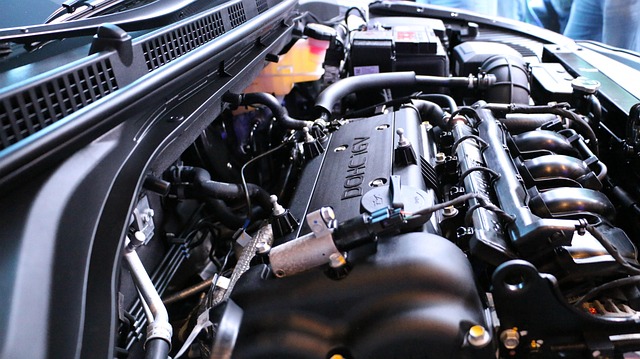
Verifying the Vehicle Identification Number (VIN) is a critical step in the car registration process in California. This unique 17-character code serves as a digital fingerprint for your vehicle, providing essential information about its make, model, year, and production details. To ensure accuracy and streamline the registration procedure, it’s crucial to utilize a reliable DMV VIN verifier. The California Department of Motor Vehicles (DMV) offers various methods for this inspection, including both stationary and mobile VIN verification services.
Mobile VIN inspection services have gained popularity due to their convenience and accessibility. These services send trained professionals directly to your location with specialized equipment capable of performing a thorough VIN inspection. This approach is particularly beneficial for those who own classic or rare vehicles, as it eliminates the need to transport the car to a DMV office. By using a mobile VIN verifier, you can conveniently verify the vehicle’s history and specifications at your convenience. For instance, a study by the California DMV revealed that over 70% of customers preferred mobile services for their convenience and speed.
When selecting a DMV VIN verifier, ensure they are licensed and accredited to perform such inspections. Reputable companies employ certified technicians who understand the intricacies of VIN decoding. They can provide immediate feedback on any discrepancies or issues found during the inspection. For instance, if there’s a match between the reported VIN and the vehicle’s actual parts, it indicates that the car has not been altered or cloned, ensuring a legitimate registration process. Proper mobile VIN verification can save you time, effort, and potential headaches down the line, making it an essential step in registering your vehicle with the California DMV.
Finalize and Receive Your Car's Registration Papers

Once you’ve gathered all necessary documents and passed the vehicle inspection, it’s time to finalize and receive your car’s registration papers. This crucial step involves a few key processes that ensure your vehicle is legally registered and ready for California’s roads. Firstly, you’ll need to visit the California Department of Motor Vehicles (DMV) website or a local DMV office to apply for registration. During this process, an official will review your documentation, including proof of insurance, ownership evidence, and vehicle identification number (VIN) verification.
One efficient way to complete the VIN verification process is through a mobile VIN verifier. These tools allow you to quickly and accurately capture your vehicle’s unique VIN using your smartphone or tablet, eliminating the need for additional equipment. By integrating this technology into the registration procedure, the DMV streamlines operations, reduces processing times, and enhances accuracy. For instance, consider a scenario where a customer uses a mobile VIN inspection app to record their car’s VIN, which is then instantly cross-referenced against state databases to confirm its authenticity.
After successfully verifying your VIN, the DMV will process your registration request, generating the official registration papers. These documents include essential information about your vehicle, such as its make, model, year, and unique VIN. It’s crucial to review these papers carefully for accuracy before leaving the DMV office or completing the online registration process. Ensure that all details match your vehicle precisely to avoid any future issues with law enforcement or insurance providers. Upon receipt of your registered plates and documents, you’ll be fully equipped to operate your vehicle legally in California.
Registering a car in California involves several key steps, from gathering essential documents to verifying your vehicle’s identification number (VIN) with the DMV. By ensuring your vehicle is prepared for inspection and completing the registration process efficiently, you can gain clear title and official registration papers. Always refer to the latest guidelines from the DMV vin verifier to ensure a smooth and accurate car registration process, adhering to California’s specific requirements.