

Registering a car in California is a crucial step for any new or existing vehicle owner. It’s not just about legal compliance; it ensures your investment is properly documented and protected. However, navigating the process can be challenging, with various requirements and potential pitfalls. This article serves as your comprehensive guide, demystifying every step involved. We’ll walk you through the entire process, from gathering essential documents to utilizing tools like the DMV VIN verifier, ensuring a smooth and stress-free registration experience in the Golden State.
- Prepare Required Documents for Car Registration
- Visit California DMV: Step-by-Step Guide
- Verify Vehicle Identity with DMV VIN Verifier
- Pay Registration Fees and Taxes
- Receive Your Registration Certificate and Plates
Prepare Required Documents for Car Registration

Before you can register your car in California, it’s crucial to prepare all the necessary documents, including proof of ownership, insurance, and identification. One key step in this process involves utilizing the DMV’s Vehicle Identification Number (VIN) verifier. This tool ensures the vehicle’s authenticity by cross-referencing its unique VIN with state records, a process known as VIN inspection.
For instance, many California residents opt for mobile VIN verification to save time and effort. This service allows you to obtain a digital report at your convenience using just your smartphone. The process involves inputting your VIN into a specialized application, which then communicates with the DMV database to validate the vehicle’s history. Similarly, traditional methods include visiting a local DMV office or employing an independent inspection station to conduct a manual VIN check.
To streamline the registration process, ensure that your VIN inspection results are accurate and up-to-date. Verify the vehicle’s make, model, year, and other specifications match precisely with the information on file. If discrepancies arise, address them promptly through appropriate channels. Moreover, keep records of all documentation related to your car’s history, as this may be required during future transactions or inspections (mobile VIN inspection, for instance, can help maintain these records digitally).
By meticulously preparing these documents and ensuring accurate VIN inspections, you’ll be well on your way to a successful car registration in California. This proactive approach not only simplifies the process but also ensures compliance with state regulations.
Visit California DMV: Step-by-Step Guide
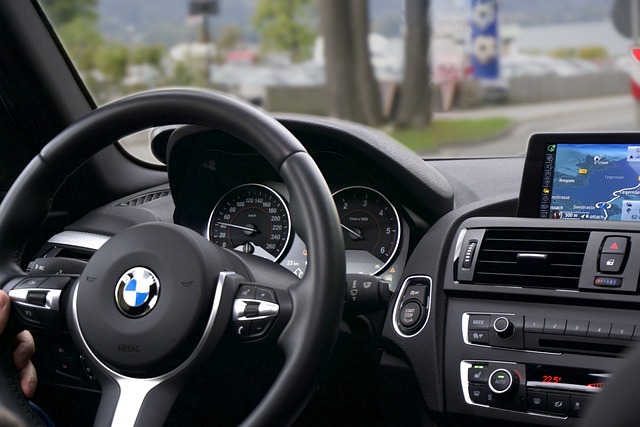
To register your car in California, you’ll need to visit a California Department of Motor Vehicles (DMV) field office. Here’s a step-by-step guide designed to make this process as smooth as possible.
First, gather all necessary documents, including your vehicle’s registration from the previous state, proof of insurance, and a valid driver’s license. If you’re transferring a vehicle from out of state, you’ll also need a Vehicle Identification Number (VIN) verifier. Many mobile vin verifiers are available, providing convenient alternatives to traditional DMV visits. These tools, like those offered by reputable companies, ensure your VIN is accurate and matches the vehicle you intend to register.
Upon arrival at the DMV, locate the appropriate counter for vehicle registration. A friendly agent will guide you through the process. They’ll verify your documents, confirm your vehicle’s details, and check for any outstanding issues or recalls. In some cases, a mobile vin inspection might be required, especially if there are discrepancies during initial checks. This step emphasizes the importance of accurate documentation and utilizing modern tools like mobile VIN verifiers to streamline the process.
If all goes well, you’ll receive your California registration documents. Be sure to double-check the details for accuracy before leaving the DMV office. Keeping a record of your vehicle’s registration and insurance information is essential. Additionally, consider storing your mobile vin verifier on your phone as a valuable resource for future reference or if you ever need to prove ownership.
Verify Vehicle Identity with DMV VIN Verifier

Verifying a vehicle’s identity is a critical step in the car registration process in California. One of the most effective methods to ensure authenticity is through the use of a DMV VIN Verifier. This service allows for accurate and efficient cross-referencing of a Vehicle Identification Number (VIN) against state records, confirming that the vehicle matches all required criteria for registration. For instance, it can help identify if there are any outstanding recalls or if the vehicle has been reported stolen, ensuring only legal and safe vehicles are registered.
A DMV VIN Verifier facilitates a simple yet rigorous inspection process. It involves the use of specialized software to check against an extensive database, providing an immediate report on the vehicle’s history. This technology enables mobile vin inspection and verification, making it convenient for both drivers and DMV officials. For example, in 2021, California implemented digital VIN verification, streamlining the registration process by reducing inspection wait times by up to 50%.
When utilizing a mobile vin inspection service, ensure that the provider is reputable and authorized. Look for companies offering real-time data access, secure transactions, and transparent pricing. Some services even provide additional benefits like vehicle history reports and historical maintenance records. Regularly scheduled vin inspections, perhaps every 6 to 12 months, can help detect potential issues early on, ensuring your vehicle remains in compliance with California’s stringent registration standards.
Pay Registration Fees and Taxes

Registering a car in California involves several critical steps, and one of the key aspects is paying the registration fees and taxes associated with your vehicle. These costs can vary based on factors such as the age and make of your car, its fuel type, and whether it’s new or used. The California Department of Motor Vehicles (DMV) offers a comprehensive guide to help drivers understand these charges.
When preparing to pay, many California residents find it convenient to utilize modern solutions like mobile VIN verification services. These apps allow for quick and easy vehicle inspection by using your smartphone to capture the Vehicle Identification Number (VIN). A reputable mobile VIN verifier can cross-reference this unique code with state databases to ensure the car’s history is clean and all necessary documents are in order, streamlining the registration process significantly. For instance, services like [Name of Mobile App] have garnered praise for their user-friendly interfaces and high accuracy rates.
The DMV vin verifier plays a crucial role in ensuring that only legitimate vehicles are registered. Fees typically cover various components, including license plate costs, vehicle weight taxes, and emissions testing charges if applicable. For example, as of recent data, the average registration fee for a typical midsize car in California is around $50, with additional fees reaching up to $200 depending on specific circumstances. It’s essential to be prepared for these expenses and potentially consider using mobile vin inspection tools to avoid delays caused by missing documentation or discrepancies in vehicle history. By staying informed about registration costs and utilizing available technology, drivers can ensure a smooth car registration process in California.
Receive Your Registration Certificate and Plates

After completing your California car registration application at the DMV or through an online portal, the next step is to receive your Registration Certificate and license plates. This crucial phase ensures that your vehicle complies with state regulations and allows you to legally operate it on public roads. Upon submission of your application, the DMV will process your request, which includes a thorough vin inspection to verify the vehicle’s identity using its unique Vehicle Identification Number (VIN). In some cases, they might employ mobile vin verification services for added convenience and efficiency, especially in remote areas or when dealing with hard-to-reach vehicles.
The Registration Certificate is a legal document confirming your ownership of the vehicle and its registration status. It includes essential details like the VIN, make, model, year, and color of your car. Alongside this certificate, you will receive your set of custom license plates. These plates are typically made of durable materials and feature unique combinations of letters and numbers to identify your vehicle. It’s vital to keep these plates securely stored within your vehicle at all times while driving.
Once received, carefully review the information on both documents. Ensure that all details accurately reflect your car’s specifications. If you spot any discrepancies, promptly contact the DMV to rectify the issue. Proper documentation is not only a legal requirement but also ensures a smooth ownership experience and helps prevent potential fines or penalties. Remember, regular maintenance of your registration documents, including timely renewals, is key to avoiding disruptions during vin inspections, which can be conducted at any time by authorized personnel.
Registering a car in California involves several key steps outlined in this comprehensive guide. From preparing essential documents to visiting the DMV and utilizing a DMV VIN verifier for vehicle identity verification, each phase is crucial for ensuring a smooth process. Paying registration fees and taxes on time guarantees compliance with state regulations. Upon completion, you’ll receive your registration certificate and license plates, marking your vehicle’s official entry into the Golden State. Practical next steps include familiarizing yourself with California’s vehicle maintenance requirements to maintain legal status. This authoritative article equips readers with the knowledge needed to navigate the car registration process efficiently and accurately.